
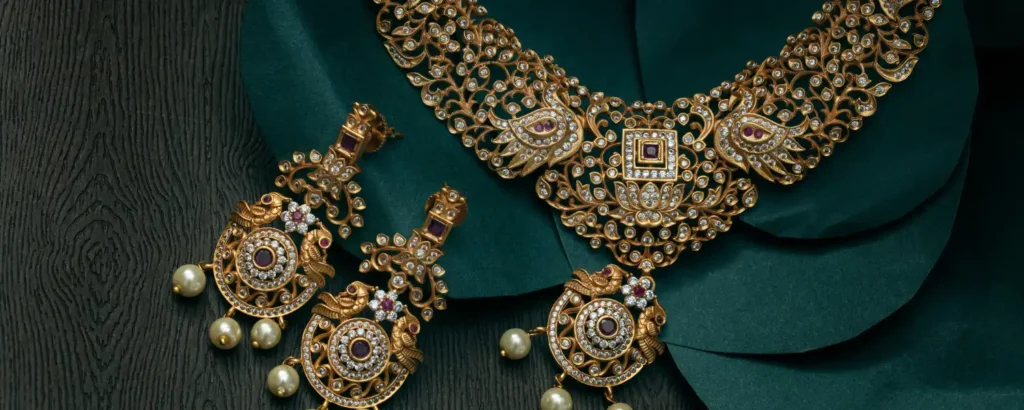
In a retail world dominated by fast fashion and fleeting trends, the modern boutique owner faces a constant challenge: how to stand out. Your customers are not just looking for products; they are searching for personality, authenticity, and items that tell a story. The most effective way to meet this demand is by curating a collection that cannot be found anywhere else. The answer lies in the timeless allure of antique jewelry.
Adding a line of antique and vintage jewelry to your boutique is more than just an inventory decision—it’s a powerful business strategy. It’s a move that can elevate your brand, attract a high-value clientele, and create an unforgettable shopping experience. Here’s why every boutique needs to embrace the treasures of the past.
Create an Unbeatable Unique Selling Proposition (USP)
The biggest challenge in retail is direct competition. If you sell the same mass-produced items as everyone else, you are forced to compete on price alone. Antique jewelry, by its very nature, is one-of-a-kind. Each piece is unique, making your collection entirely exclusive. This exclusivity is your ultimate USP. Customers will visit your boutique specifically for these unique finds, building powerful brand loyalty that transcends seasonal trends.
Sell Stories, Not Just Products
Every piece of antique jewelry comes with a built-in narrative. You are no longer just selling a necklace; you are selling a piece of the Art Deco movement, a relic from the age of Victorian jewelry, or a masterpiece of Mughal jewelry craftsmanship. This allows your sales team to engage customers on a deeper, more emotional level. Sharing the history of a piece transforms the act of shopping into an experience of discovery, making the item infinitely more desirable.
Attract a High-Value, Discerning Clientele
The demographic that seeks out estate jewelry is often affluent, educated, and passionate about quality and history. These are not impulse buyers; they are collectors and connoisseurs. By adding a line of antique pieces, you signal to this high-value clientele that your boutique is a destination for sophisticated and unique items. This can attract a new demographic to your store, increasing your average transaction value and building a reputation for luxury.
The Built-in Appeal of Sustainable and Ethical Fashion
“Conscious consumerism” is a powerful force in modern retail. Today’s buyers care about the environmental and ethical impact of their purchases. Antique jewelry is the pinnacle of sustainable luxury—it is the original recycled product. By promoting your antique line as a sustainable choice, you align your brand with the values of this growing market, attracting customers who want to make a positive impact with their spending.
A Tangible Investment for Both You and Your Customer
Unlike contemporary fashion jewelry that depreciates over time, well-chosen antique pieces are tangible assets. They often hold or increase their value, making them a wise investment for both the boutique and the end customer. This provides a compelling sales argument: you are offering not just a beautiful accessory, but an heirloom that can be treasured and passed down. Proper antique jewelry identification is key to understanding and communicating this long-term value.
How to Seamlessly Source Wholesale Antique Jewelry
The thought of sourcing authentic antiques from across the globe may seem daunting, but it doesn’t have to be. Partnering with a specialized export house demystifies the process. An expert partner can:
Curate Collections: Source and assemble a cohesive collection tailored to your brand’s aesthetic.
Verify Authenticity: Leverage expertise in antique jewelry identification to guarantee every piece is genuine.
Manage Logistics: Handle the complexities of sourcing and shipping wholesale antique jewelry, including rare antique Indian jewelry, delivering it seamlessly to your door.
This partnership allows you to access the world’s treasures without the associated risks and logistical headaches. By embracing the past, you are not just curating a collection—you are building a legacy for your brand that is as timeless and unique as the pieces you sell.
Frequently Asked Questions (FAQs)
In a retail context, what’s the difference between antique and vintage jewelry? “Antique” officially refers to pieces that are 100 years or older. “Vintage” typically refers to items that are at least 20-50 years old but less than 100. For a boutique, both categories offer unique, pre-owned pieces with a distinct history.
How can my staff learn the history of pieces like Victorian jewelry to sell them effectively? A good sourcing partner or exporter should provide you with key information about the era, materials, and unique characteristics of each piece. Creating small “story cards” for each item can be a powerful tool for your sales team.
Is there a high demand for specific styles like antique Indian jewelry in international markets? Absolutely. Antique Indian jewelry, with its rich history and intricate craftsmanship (like Mughal jewelry), is highly sought after by collectors and fashion-forward individuals globally for its unique, opulent aesthetic.
How should I price one-of-a-kind antique pieces? Pricing is based on rarity, materials, craftsmanship, condition, and provenance (its history). Your sourcing partner can provide guidance on wholesale and suggested retail pricing based on these factors.
How do I guarantee the authenticity of the jewelry I’m buying? The best way is to work with a reputable sourcing partner who specializes in antique jewelry identification. For very high-value items, certificates from gemological labs or appraisal documents are the standard.
What is the process for sourcing wholesale antique jewelry through an exporter? Typically, you would discuss your boutique’s style and budget with the exporter. They would then curate a collection for your review, provide all necessary documentation, and handle the secure shipping and logistics.
How should I advise my customers on how to clean antique jewelry? The best advice on how to clean antique jewelry is to be gentle. A soft, dry cloth is often sufficient. For a deeper clean, a soft-bristled brush with a mild solution of soap and water can be used, but fragile stones like opals and pearls require special care. Always advise customers to avoid harsh chemicals and ultrasonic cleaners.
Can an exporter source both genuine antiques and high-quality antique reproduction pieces? Yes, a versatile exporter can often source both. This allows a boutique to offer one-of-a-kind genuine antiques alongside more accessibly priced (and available in quantity) reproduction pieces that capture the same historical aesthetic.
